Why Public Cloud Services Are the Backbone of Modern IT
Introduction
The rapid evolution of technology has transformed how businesses operate, compete, and grow in today’s digital economy. At the center of this transformation lies public cloud computing, a powerful enabler that has redefined IT infrastructure and service delivery. Organizations of all sizes are increasingly moving away from traditional on-premise systems and embracing cloud-based solutions to achieve agility, scalability, and cost efficiency. Public cloud services have emerged as the backbone of modern IT because they empower businesses to innovate faster, operate more efficiently, and adapt to ever-changing market demands.
Understanding Public Cloud Services
Public cloud services refer to computing resources such as servers, storage, databases, networking, and software that are delivered over the internet by third-party providers. These services are shared among multiple users while maintaining secure and isolated environments for each customer. Businesses no longer need to invest heavily in physical infrastructure or worry about maintenance, upgrades, or downtime. Instead, they can access powerful computing capabilities on demand and pay only for what they use.
The shift to public cloud has been driven by the need for flexibility and the growing complexity of IT environments. Companies are now able to deploy applications globally within minutes, collaborate seamlessly across locations, and ensure business continuity without significant capital expenditure.
Scalability and Flexibility
One of the most important reasons why public cloud services form the backbone of modern IT is their unmatched scalability. Businesses can easily scale resources up or down based on their requirements without any delays or disruptions. This flexibility is especially beneficial for startups and growing enterprises that experience fluctuating workloads.
For instance, during peak business seasons, companies can increase their computing capacity to handle higher demand. Once the demand subsides, they can reduce resources and avoid unnecessary costs. This dynamic scalability is not possible with traditional IT infrastructure, where resources are fixed and often underutilized.
Platforms like Busy on Cloud demonstrate how cloud-based solutions allow businesses to manage accounting and operations efficiently without worrying about system limitations. The ability to access such tools anytime and from anywhere further enhances operational flexibility.
Cost Efficiency and Optimization
Cost efficiency is another major factor contributing to the widespread adoption of public cloud services. Traditional IT infrastructure requires significant investment in hardware, software licenses, maintenance, and skilled personnel. In contrast, public cloud operates on a pay-as-you-go model, eliminating the need for upfront capital expenditure.
Businesses can optimize their IT budgets by paying only for the resources they consume. Additionally, cloud providers handle maintenance, updates, and security, reducing operational costs and freeing up internal resources to focus on strategic initiatives.
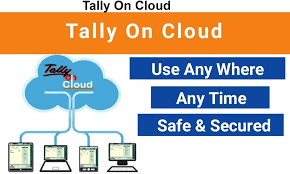
Solutions like Tally On Cloud offer businesses a cost-effective way to manage financial operations without investing in expensive servers or IT teams. This not only reduces costs but also improves productivity by providing seamless access to critical business applications.
Enhanced Accessibility and Collaboration
Modern businesses operate in a highly connected and distributed environment. Public cloud services enable employees to access data and applications from anywhere in the world, using any device with an internet connection. This level of accessibility has revolutionized how teams collaborate and communicate.
Remote work, which has become increasingly common, relies heavily on cloud infrastructure. Employees can work on shared documents in real time, access centralized databases, and collaborate without geographical barriers. This improves efficiency and ensures that business operations continue smoothly regardless of location.
Marg on Cloud is a great example of how cloud technology enhances accessibility in business operations. It allows users to manage inventory, billing, and distribution seamlessly, ensuring that teams remain connected and productive at all times.
Security and Data Protection
Security has always been a top concern for businesses when adopting new technologies. Public cloud providers invest heavily in advanced security measures, including encryption, firewalls, intrusion detection systems, and regular security audits. These measures often surpass the capabilities of traditional on-premise systems.
Data stored in the cloud is protected through multiple layers of security, ensuring confidentiality, integrity, and availability. Cloud providers also offer backup and disaster recovery solutions, minimizing the risk of data loss due to hardware failures or cyberattacks.
By leveraging secure cloud platforms offered by bsoft.co.in, businesses can ensure that their critical data is protected while maintaining compliance with industry standards and regulations. This builds trust among customers and stakeholders and strengthens the overall IT framework.
Innovation and Rapid Deployment
Public cloud services enable businesses to innovate faster by providing access to cutting-edge technologies such as artificial intelligence, machine learning, big data analytics, and the Internet of Things. Companies can experiment with new ideas, develop applications, and deploy solutions quickly without the constraints of traditional infrastructure.
The cloud also supports continuous integration and continuous deployment (CI/CD), allowing developers to release updates and improvements frequently. This accelerates the development cycle and ensures that businesses stay ahead of the competition.
With solutions like Busy on Cloud and Tally On Cloud, organizations can integrate advanced features into their workflows and enhance their operational capabilities. This fosters innovation and drives business growth.
Reliability and Business Continuity
Downtime can have a significant impact on business operations, leading to revenue loss and reduced customer satisfaction. Public cloud services offer high levels of reliability through redundant infrastructure and geographically distributed data centers.
In the event of a system failure, cloud providers ensure that services are quickly restored, minimizing disruptions. Automated backups and disaster recovery solutions further enhance business continuity, allowing organizations to recover data and resume operations with minimal delay.
Marg on Cloud exemplifies how cloud-based systems ensure uninterrupted access to critical business functions, enabling companies to maintain productivity even during unexpected disruptions.
Simplified IT Management
Managing IT infrastructure can be complex and time-consuming, especially for small and medium-sized businesses. Public cloud services simplify IT management by handling tasks such as hardware maintenance, software updates, and system monitoring.
This allows businesses to focus on their core activities rather than spending time and resources on IT operations. Cloud-based solutions are also easy to deploy and require minimal technical expertise, making them accessible to organizations with limited IT capabilities.
By partnering with bsoft.co.in, businesses can streamline their IT processes and leverage cloud technology without the need for extensive infrastructure or specialized skills.
Supporting Digital Transformation
Digital transformation is no longer optional; it is a necessity for businesses that want to remain competitive. Public cloud services play a crucial role in enabling this transformation by providing the tools and infrastructure needed to modernize operations.
From automating workflows to improving customer experiences, cloud technology supports every aspect of digital transformation. It allows businesses to adapt to changing market conditions, respond to customer needs, and innovate continuously.
Solutions like Busy on Cloud, Tally On Cloud, and Marg on Cloud are integral to this transformation, helping businesses digitize their processes and achieve greater efficiency.
Conclusion
Public cloud services have become the foundation of modern IT because they offer scalability, cost efficiency, accessibility, security, and innovation. They empower businesses to operate more effectively, respond to market demands, and drive growth in an increasingly competitive landscape.
As organizations continue to embrace digital transformation, the role of public cloud will only become more significant. By leveraging advanced cloud solutions from bsoft.co.in, businesses can unlock new opportunities, enhance productivity, and build a resilient IT infrastructure that supports long-term success.
The future of IT is undoubtedly cloud-driven, and those who adopt it strategically will be better positioned to thrive in the digital age.
Frequently Asked Questions (FAQ)
- What are public cloud services and why are they important?
Public cloud services are computing resources such as storage, servers, and software that are delivered over the internet by third-party providers. They are important because they eliminate the need for physical infrastructure, reduce costs, and allow businesses to scale operations quickly. These services have become essential for modern IT as they support flexibility, innovation, and remote accessibility.
- How do public cloud services benefit small and medium businesses?
Public cloud services help small and medium businesses by reducing upfront investment in hardware and IT infrastructure. They offer a pay-as-you-go model, making advanced technology accessible without large capital expenditure. Businesses can also benefit from improved collaboration, remote access, and simplified IT management, allowing them to focus more on growth and less on technical complexities.
- Is data safe on public cloud platforms?
Yes, data on public cloud platforms is generally very secure. Cloud providers use advanced security measures such as encryption, firewalls, and continuous monitoring to protect data. In many cases, cloud security is stronger than traditional on-premise systems. When using trusted providers like bsoft.co.in, businesses can ensure high levels of data protection and compliance.
- What is the difference between public cloud and private cloud?
Public cloud is a shared environment where multiple users access resources over the internet, while private cloud is dedicated to a single organization. Public cloud is more cost-effective and scalable, whereas private cloud offers more control and customization. Most modern businesses prefer public cloud due to its affordability and flexibility.
- Can I run accounting software on the cloud?
Yes, accounting software can be easily run on the cloud. Solutions like Busy on Cloud and Tally On Cloud allow businesses to manage their financial data securely from anywhere. These cloud-based platforms improve efficiency, enable real-time access, and reduce dependency on physical systems.
- How does Marg on Cloud help businesses?
Marg on Cloud helps businesses manage inventory, billing, and distribution operations efficiently. It allows users to access their data remotely, ensuring smooth operations even when working from different locations. This improves productivity and ensures better control over business processes.
- Are public cloud services expensive?
Public cloud services are generally cost-effective compared to traditional IT infrastructure. Businesses only pay for the resources they use, which helps in controlling expenses. There are no upfront costs for hardware or maintenance, making cloud services a budget-friendly option for organizations of all sizes.
- How do public cloud services support remote work?
Public cloud services enable employees to access applications and data from any location with an internet connection. This makes remote work seamless and efficient. Teams can collaborate in real time, share files, and stay connected without being physically present in the office.
- Why should I choose bsoft.co.in for cloud solutions?
bsoft.co.in offers reliable and secure cloud solutions tailored to business needs. With services like Busy on Cloud, Tally On Cloud, and Marg on Cloud, businesses can streamline operations, improve efficiency, and ensure data security. Their expertise in cloud technology helps organizations transition smoothly to a modern IT environment.
- What is the future of public cloud computing?
The future of public cloud computing is highly promising. As businesses continue to adopt digital transformation, cloud technology will play an even bigger role. Advancements in artificial intelligence, automation, and data analytics will further enhance the capabilities of cloud services, making them an integral part of business success.